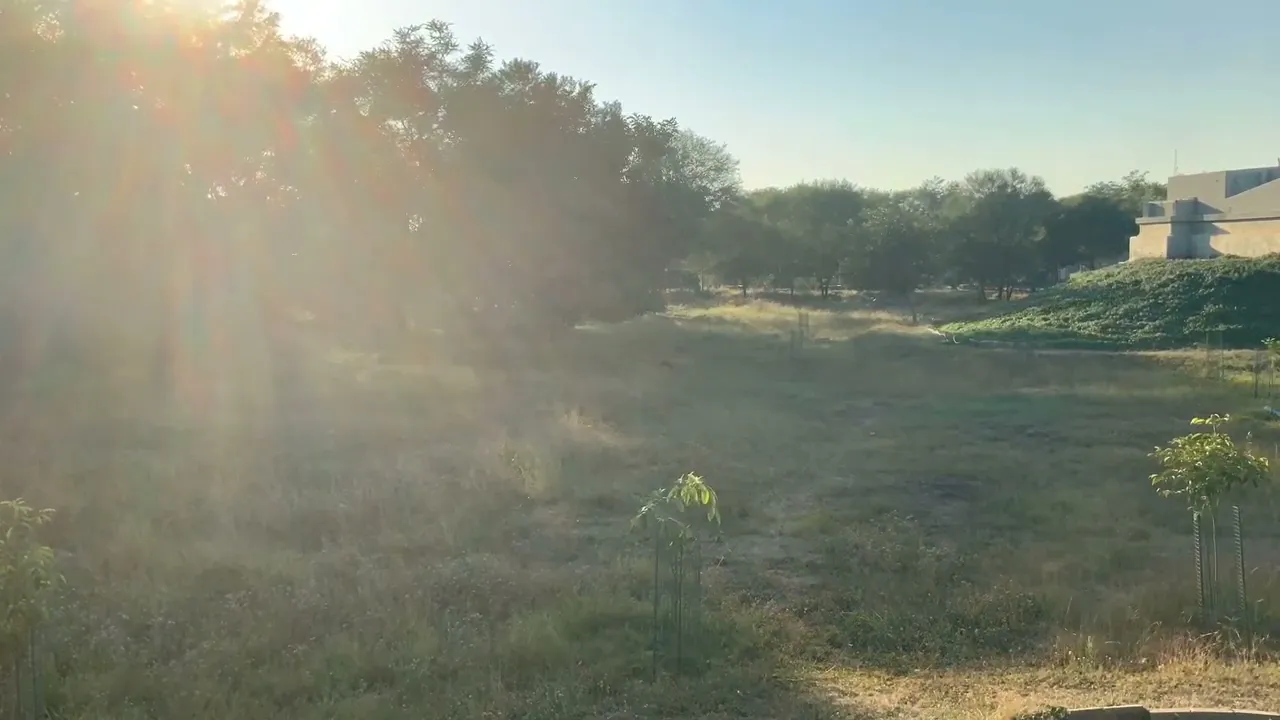

Colour & Light in Natural Environment
Colour & Light in Natural Environment
Exploration of Perceptual Design of Nature
Exploration of Perceptual Design of Nature
How does natural light make you feel? We photographed, we asked, we mapped emotions. I answered in verses,
four Hindi poems, each a portrait of nature in a different emotional state.
How does natural light make you feel? We photographed, we asked, we mapped emotions. I answered in verses,
four Hindi poems, each a portrait of nature in a different emotional state.
NID Elective'20
Experiential Design
Sensory Design
Design & Poetry
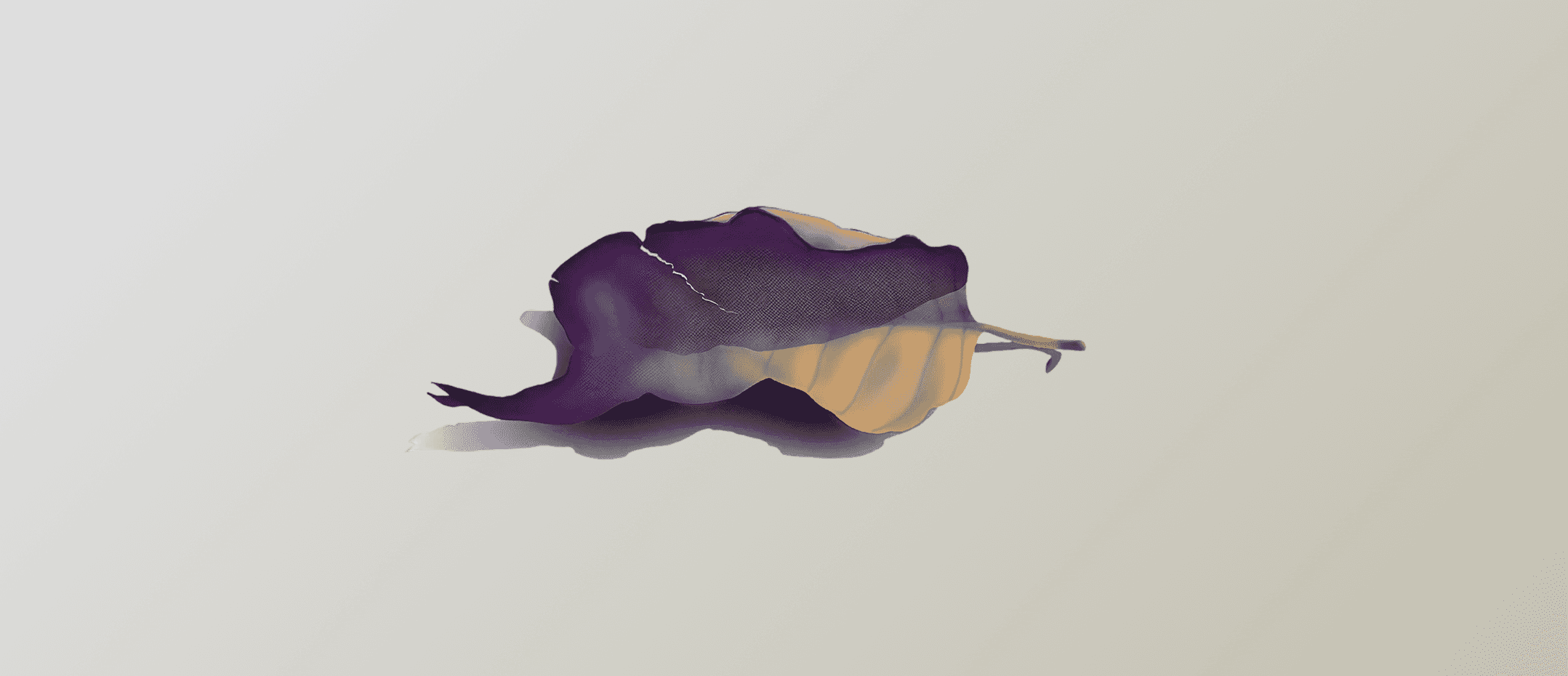
Artwork credit: Lalitya Krishnan | Tool: Procreate
Institution
NID Gandhinagar
Project Type
Open Elective
Project Role
Research | Visual Storyteller
Duration
2 Weeks | 2020
Faculty Mentor
Mr. Shekhar Bhattacharya
Target Audience
Dendrophiles
Before structures defined space, light and colour established boundaries. This 2 week research project at NID Gandhinagar investigated how natural light phenomena shape human perception and emotion, creating a systematic framework that bridges colour psychology theory with visceral, embodied experience.
Before structures defined space, light and colour established boundaries. This 2 week research project at NID Gandhinagar investigated how natural light phenomena shape human perception and emotion, creating a systematic framework that bridges colour psychology theory with visceral, embodied experience.
Through emotional mapping surveys with 50+ participants, 200+ photographs, and time-lapse documentation, the project produced an infographic system and research methodology. The insights continue informing my professional work in interface design and design systems, proving that understanding perceptual forces creates more empathetic design solutions.
Through emotional mapping surveys with 50+ participants, 200+ photographs, and time-lapse documentation, the project produced an infographic system and research methodology. The insights continue informing my professional work in interface design and design systems, proving that understanding perceptual forces creates more empathetic design solutions.
Introduction
Why light and
colour matter
Light and colour are not decorative, they are communicative. They shape how we navigate space, form emotional associations, and connect with our surroundings. Whether it is the vivid arc of a rainbow against storm clouds or the translucent glow of a butterfly wing, colour plays a fundamental role in our relationship with the natural world. This project investigated that relationship directly — by going outside, observing, and asking people what they felt.
Light and colour are not decorative, they are communicative. They shape how we navigate space, form emotional associations, and connect with our surroundings. Whether it is the vivid arc of a rainbow against storm clouds or the translucent glow of a butterfly wing, colour plays a fundamental role in our relationship with the natural world. This project investigated that relationship directly — by going outside, observing, and asking people what they felt.
Space, as we experience it in architectural settings,
is a result of our entire perceptual system.
One sees the environment not with the eyes
but the eyes in the head on the body resting on the ground.
Space, as we experience it
in architectural settings,
is a result of our entire
perceptual system.
One sees the environment
not with the eyes
but the eyes in the head on the body resting on the ground.
Process
How we
approached it
01
Theoretical grounding
We studied how different colours and light conditions affect perception — psychologically influencing emotion and feeling, and physiologically impacting well-being on both visual and non-visual levels.
We studied how different colours and light conditions affect perception — psychologically influencing emotion and feeling, and physiologically impacting well-being on both visual and non-visual levels.
02
Field photography on campus
We walked the NID Gandhinagar campus and photographed distinct moments of natural light and colour — capturing how the environment changed across time of day, weather, and season.
We walked the NID Gandhinagar campus and photographed distinct moments of natural light and colour — capturing how the environment changed across time of day, weather, and season.
03
Peer emotion survey
We asked people to tell us what emotions each photograph evoked. The responses were compiled into an infographic mapping emotional associations to different colour and light conditions.
We asked people to tell us what emotions each photograph evoked. The responses were compiled into an infographic mapping emotional associations to different colour and light conditions.
04
Time-lapse capture
Alongside photography, we recorded time-lapses across the campus — letting the movement of light tell its own story across time, forming the visual backbone of the final deliverable.
Alongside photography, we recorded time-lapses across the campus — letting the movement of light tell its own story across time, forming the visual backbone of the final deliverable.
05
Creative expression - poetry
Each student chose a medium to express their findings. I chose language, writing four original Hindi poems, each giving an emotional voice to a distinct natural phenomenon observed during the project.
Each student chose a medium to express their findings. I chose language, writing four original Hindi poems, each giving an emotional voice to a distinct natural phenomenon observed during the project.
Deliverables
What was
produced
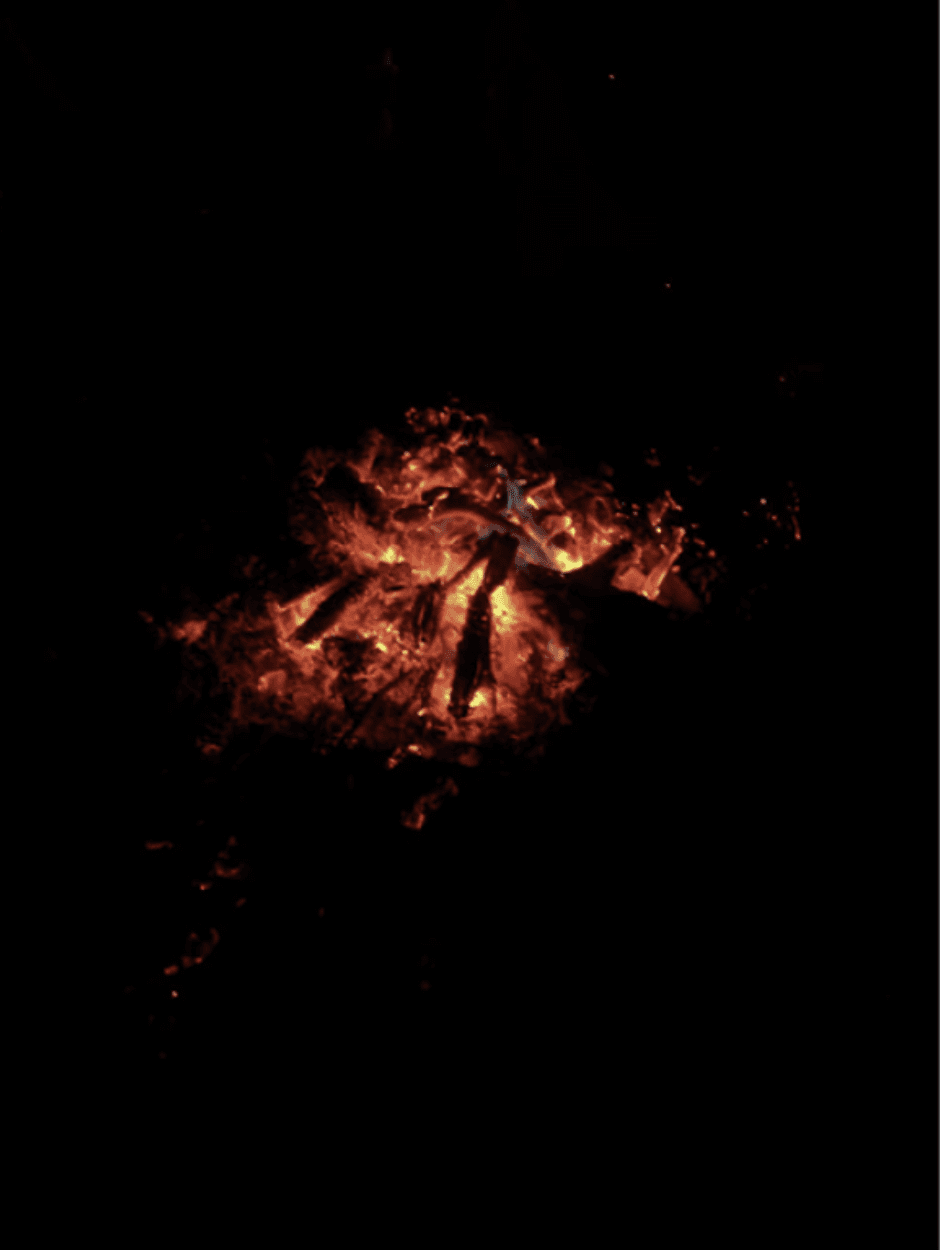
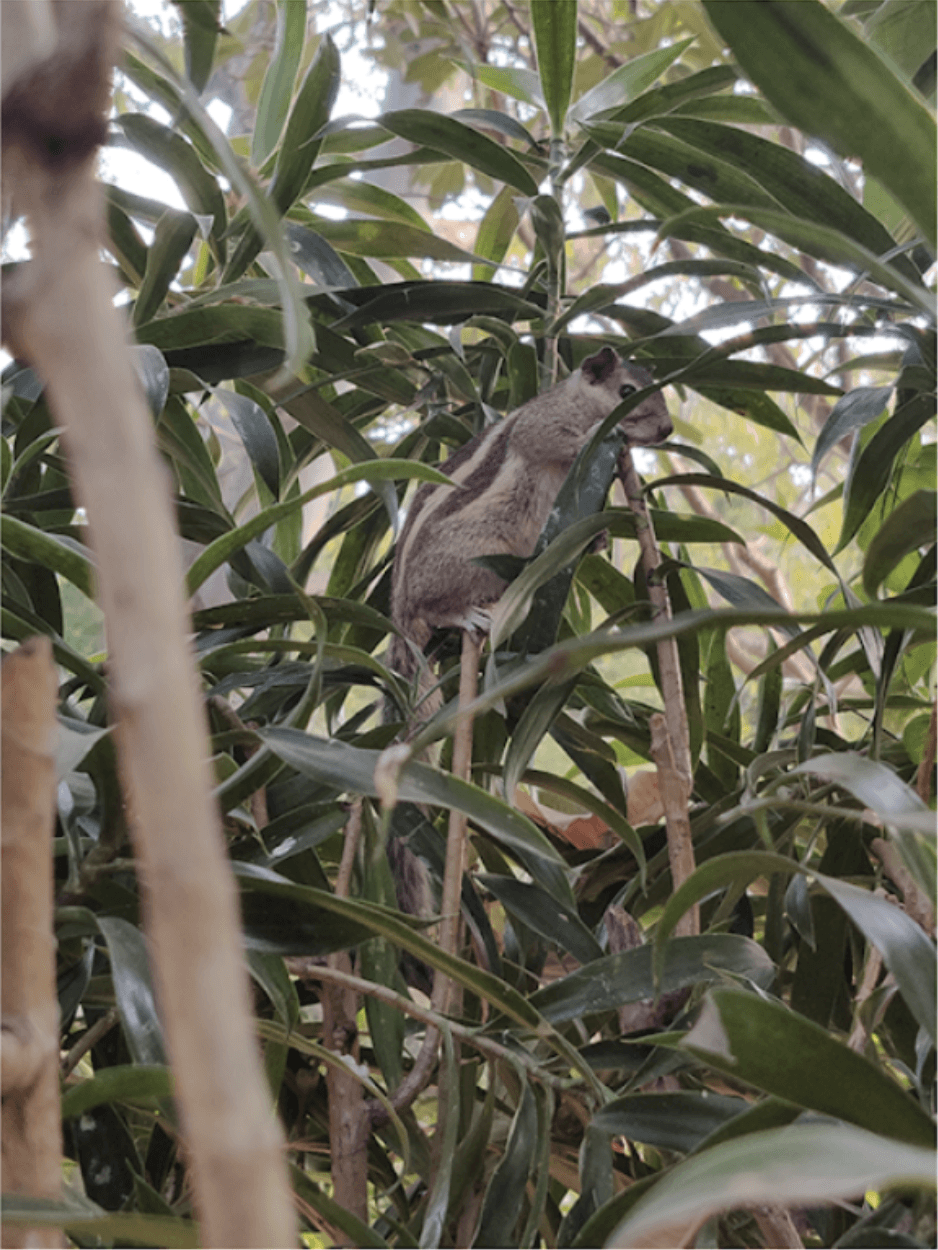
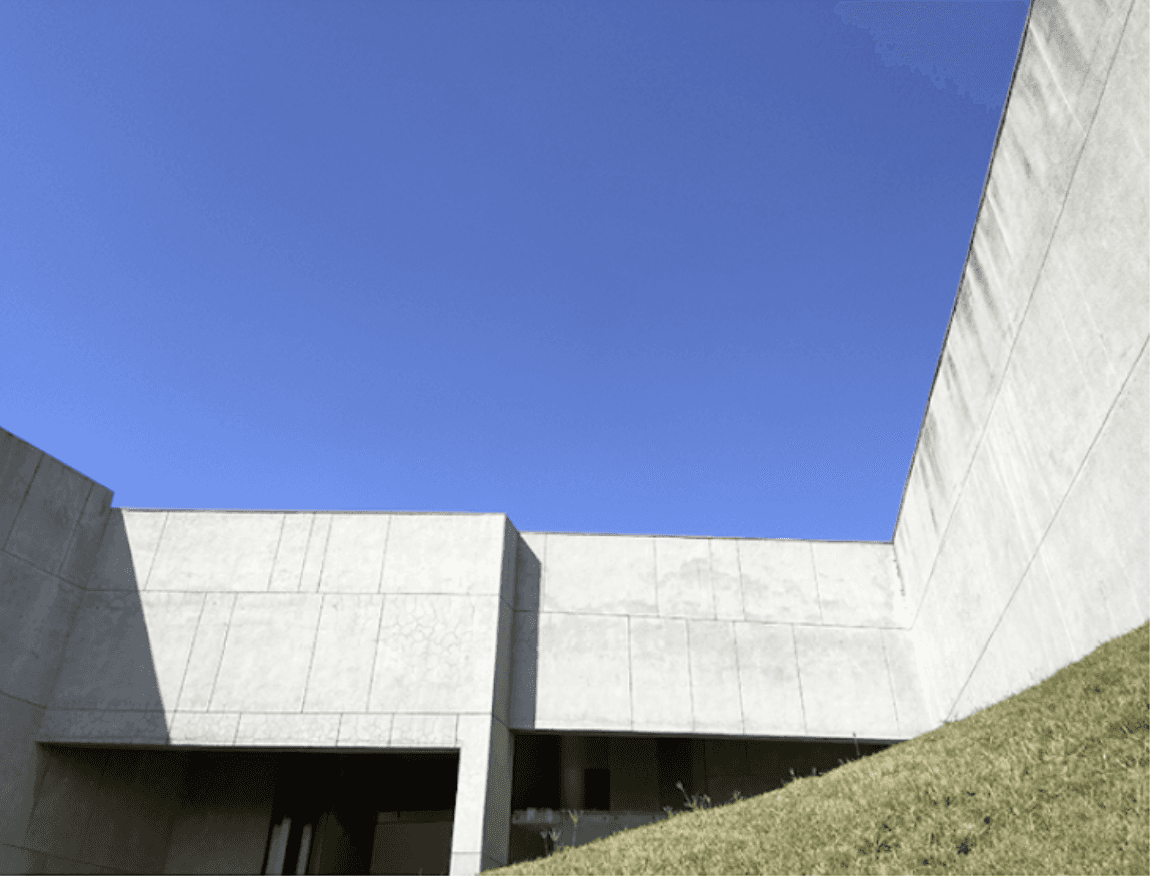
1. Campus photography
Documenting colour and light conditions across NID Gandhinagar at different times and conditions.
Documenting colour and light conditions across NID Gandhinagar at different times and conditions.
Lust
Curious
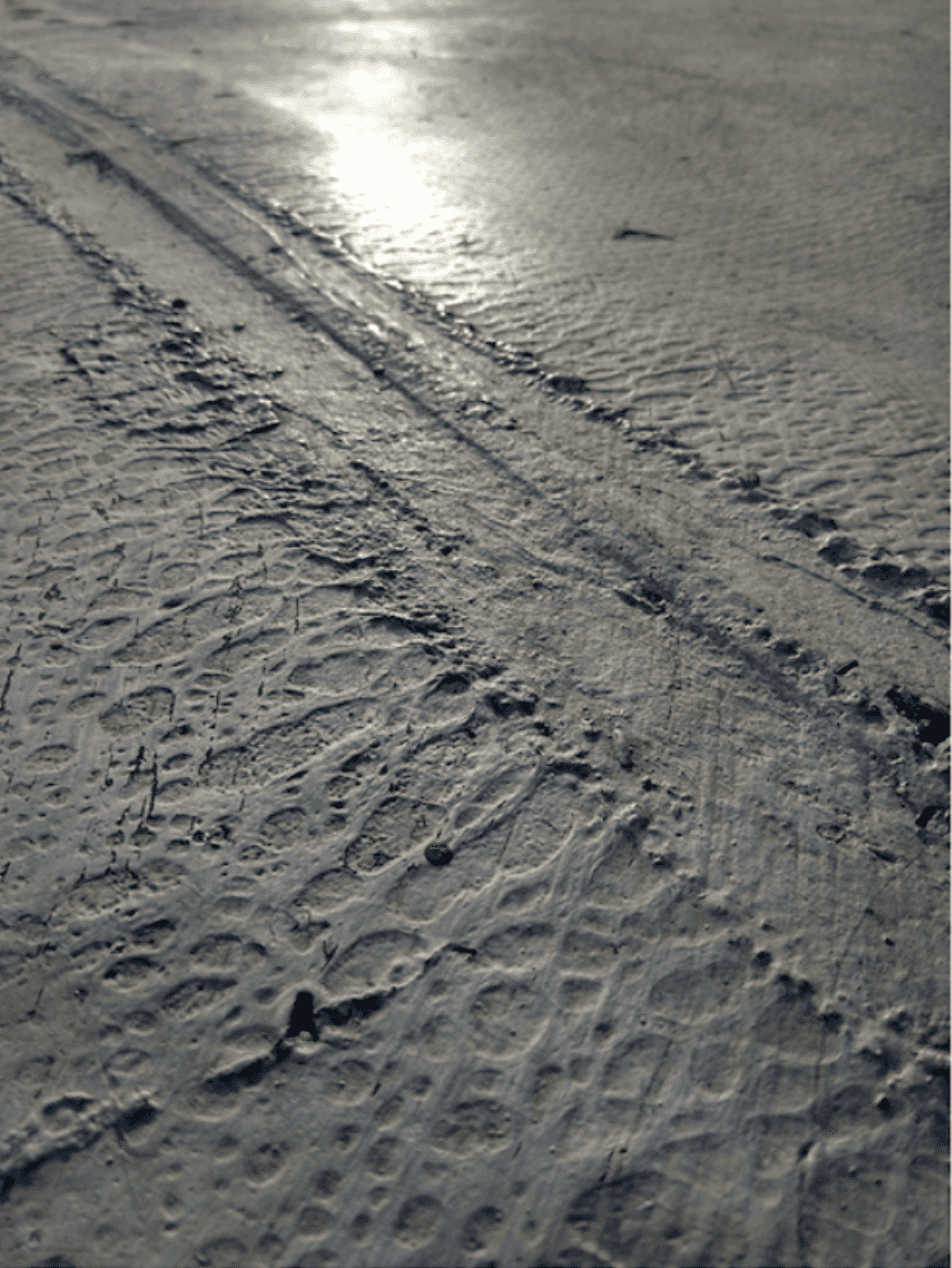
Confusion
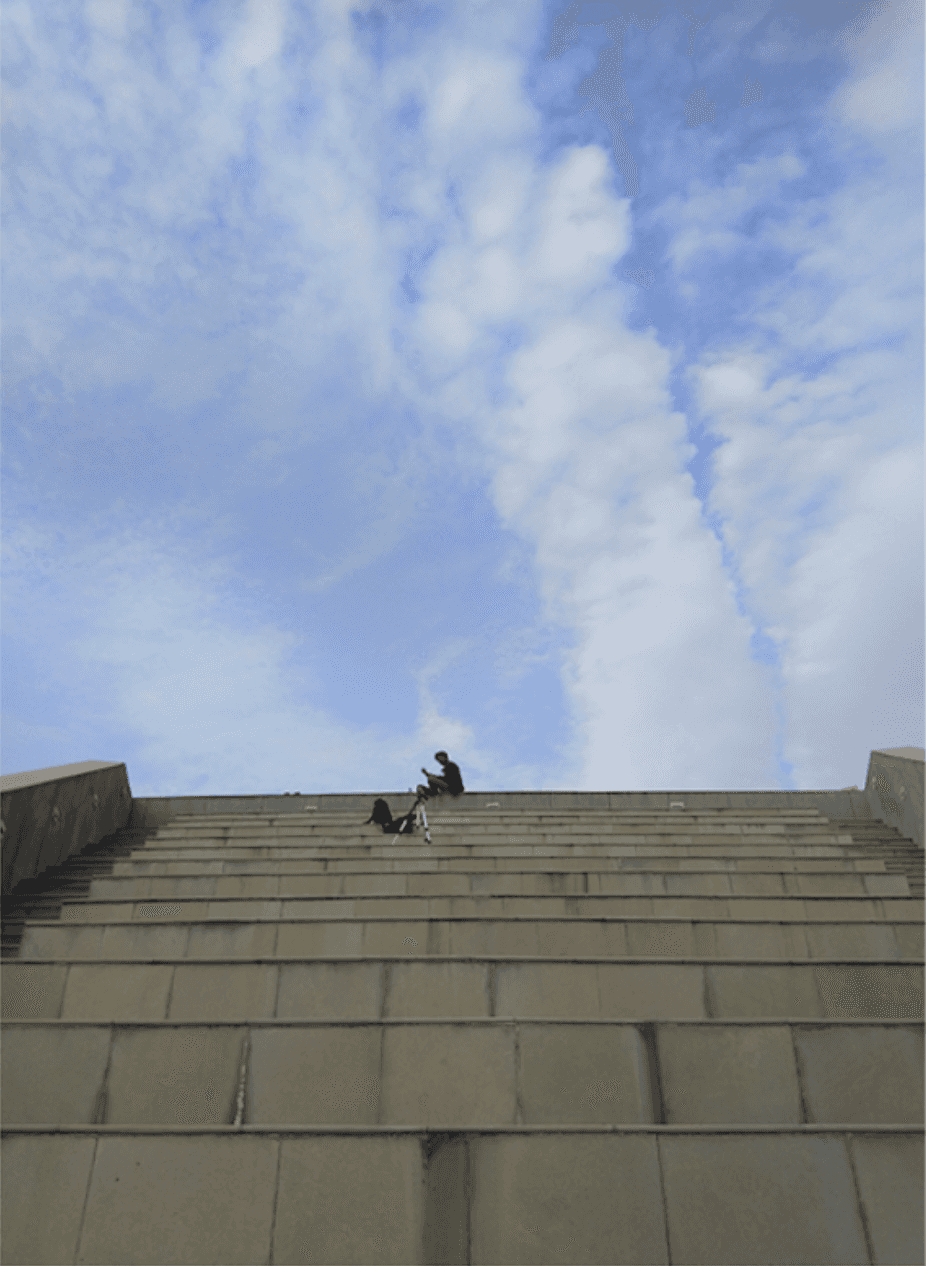
Sadness
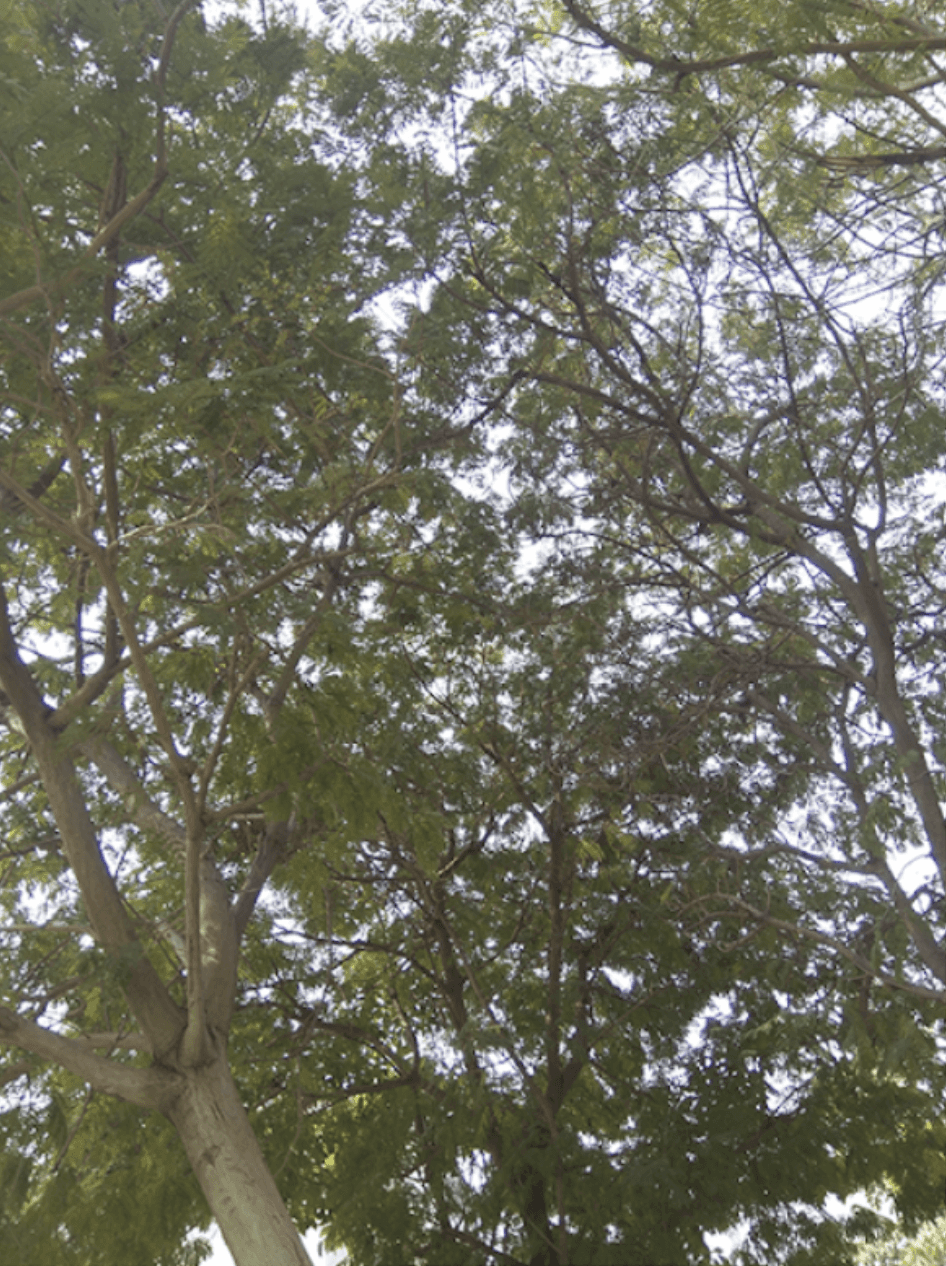
Envy

Serenity
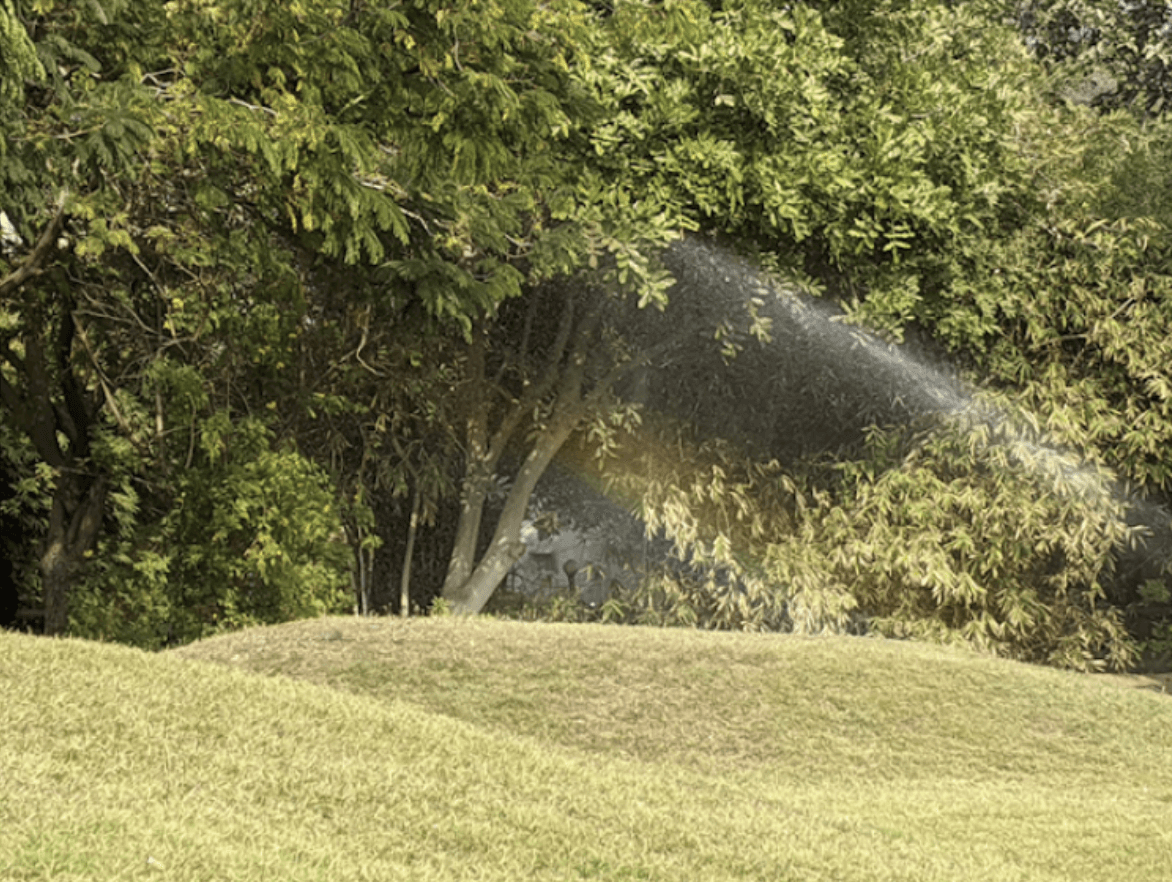
Spirituality
Purity
Lust
Curious
Confusion
Sadness
Envy
Serenity
Spirituality
Purity
2. Emotion survey & infographic
Peer responses mapping emotions to photographs, visualised as a colour-emotion association infographic.
Peer responses mapping emotions to photographs, visualised as a colour-emotion association infographic.
Pink01 / 27
Happiness
joy · playfulness · warmth
*Based on survey done with 50+ participants during open elective 2020 at NID Gandhinagar Campus.
3. Time-lapse videos & poetries
Campus environments captured across time, articulating how light transforms a space emotionally. पठार, माया, बारिशें, and धूप छाँव — narrated over the time-lapses as the final expressive output.
Campus environments captured across time, articulating how light transforms a space emotionally. पठार, माया, बारिशें, and धूप छाँव — narrated over the time-lapses as the final expressive output.
1st Poetry
धूप छाँव
Sun & shadow
झिलमिल झिलमिल उजियारे में, हलके हलके अंधियारे में,
पवन पताका ठंडी ठंडी, हौले हौले मंडराए है,
रंग पातियाँ बदल रही हैं, बादल भी संदर्भित से हैं,
पुष्पों की पंखुड़ियों के भी रंग पहर में गिवंत से हैं,
जल ने रंग उछाल दिए हैं, प्रतिबिम्ब ने कई सवाल दिए हैं,
शाखों ने भी पत्तों के संग मिल कर झूले गाड़ दिए हैं,
मृग मरीचिका लाग रही हैं घास हमारे बगियाने की,
कुदरत के इस मेल जोल में, धूप छाँव के खेल खेल में॥
झिलमिल झिलमिल उजियारे में,
हलके हलके अंधियारे में,
पवन पताका ठंडी ठंडी,
हौले हौले मंडराए है,
रंग पातियाँ बदल रही हैं,
बादल भी संदर्भित से हैं,
पुष्पों की पंखुड़ियों के भी
रंग पहर में गिवंत से हैं,
जल ने रंग उछाल दिए हैं,
प्रतिबिम्ब ने कई सवाल दिए हैं,
शाखों ने भी पत्तों के संग
मिल कर झूले गाड़ दिए हैं,
मृग मरीचिका लाग रही हैं
घास हमारे बगियाने की,
कुदरत के इस मेल जोल में,
धूप छाँव के खेल खेल में॥
2nd Poetry
पठार
Plateau
किन्हीं झिलमिल पठारों सा कभी मैं रुप धरता हूँ,
ये जल भी बैर करता है, मैं इतना रौद्र लगता हूँ,
कड़कती धूप को भी मैं तो वापस भेज देता हूँ,
ये मेरा शौर्य है, जो मैं सदा ही धैर्य देता हूँ,
मशहूर हैं मेरे चर्चे हमेशा डट के रहने के,
मगर अन्दर से मैं भी टूटता हूँ, मौन रहता हूँ।
मगर अन्दर से मैं भी टूटता हूँ, मौन रहता हूँ॥
किन्हीं झिलमिल पठारों सा कभी मैं रुप धरता हूँ,
ये जल भी बैर करता है, मैं इतना रौद्र लगता हूँ,
कड़कती धूप को भी मैं तो वापस भेज देता हूँ,
ये मेरा शौर्य है, जो मैं सदा ही धैर्य देता हूँ,
मशहूर हैं मेरे चर्चे हमेशा डट के रहने के,
मगर अन्दर से मैं भी टूटता हूँ, मौन रहता हूँ।
मगर अन्दर से मैं भी टूटता हूँ, मौन रहता हूँ॥
3rd Poetry
माया
Illusion
तुम दुविधा में चलती फिरती,
एक धूप सुहानी हो काया,
कभी कोई किरण सी जीवन में,
कभी सतत श्वेत निर्मल पाया,
चट्टानों को पिघलाती सी,
इन शज़रों को महकाती सी,
तुम सरल स्वरूप समिपंत सी,
तुम किसके मन की हो माया।
तुम दुविधा में चलती फिरती॥
तुम दुविधा में चलती फिरती,
एक धूप सुहानी हो काया,
कभी कोई किरण सी जीवन में,
कभी सतत श्वेत निर्मल पाया,
चट्टानों को पिघलाती सी,
इन शज़रों को महकाती सी,
तुम सरल स्वरूप समिपंत सी,
तुम किसके मन की हो माया।
तुम दुविधा में चलती फिरती॥
4th Poetry
बारिशें
Rains
पतंगे उड़ रहे हैं घास पर बरसात सी लेकर,
हवाएँ घास को अक्सर ज़रा सा शुष्क करती हैं,
कभी पतझड़ को लाती हैं, कभी खामोश रहती हैं,
कभी पानी को छूती हैं, कभी हैं भेदती मन को,
उड़ा देती हवाएँ हैं वो भीतर के ख्यालों को
मगर ये बारिशें फिर से सभी कुछ बाँध देती हैं।
मगर ये बारिशें फिर से सभी कुछ बाँध देती हैं॥
पतंगे उड़ रहे हैं घास पर बरसात सी लेकर,
हवाएँ घास को अक्सर ज़रा सा शुष्क करती हैं,
कभी पतझड़ को लाती हैं, कभी खामोश रहती हैं,
कभी पानी को छूती हैं, कभी हैं भेदती मन को,
उड़ा देती हवाएँ हैं वो भीतर के ख्यालों को
मगर ये बारिशें फिर से सभी कुछ बाँध देती हैं।
मगर ये बारिशें फिर से सभी कुछ बाँध देती हैं॥
Reflection
What this project taught me
Design does not always end in a screen or a system. Sometimes it ends in a feeling, and finding the right medium to carry that feeling is itself a design decision.
Choosing poetry over visual output was a deliberate act: language can hold ambiguity, interiority, and emotion in ways that images sometimes cannot.
This project gave me permission to be a designer and a poet at the same time.
Design does not always end in a screen or a system. Sometimes it ends in a feeling, and finding the right medium to carry that feeling is itself a design decision.
Choosing poetry over visual output was a deliberate act: language can hold ambiguity, interiority, and emotion in ways that images sometimes cannot.
This project gave me permission to be a designer and a poet at the same time.
Guided by Mr. Shekhar Bhattacharya
·
Open Elective 2020
·
NID Gandhinagar
Thank you
for the scroll.
Other Projects
Liked my portfolio!
Wanna
work
together?
Liked my portfolio!
Wanna
work
together?

Feel free to reach out,
Designed with
By Lalitya Krishnan
|
© 2026 All rights reserved
Feel free to reach out,
Designed with
By Lalitya Krishnan
© 2026 All rights reserved